The Wisdom of Words

“Emily, never lose your love of words,” was my Head of Sixth Form’s parting gift to me as I left school, thirty years ago. I was known at school as the one who would relish the challenge of a difficult reading or recitation, as long as there was rhythm and musicality to the language. They would say, “Emily will perform it.” And I would. And I enjoyed it. I was also the only one to study Ancient Greek. Etymology has always fascinated me.

I went back for a school reunion, last summer, and spoke with another of my English teachers who said she still talks about the moment the penny dropped for me. She said it was one of those very rewarding moments of teaching. I was intrigued to hear what she had to say and explained how much that penny dropping moment had impacted my life. That’s when her tears flowed. Being able to thank her was very precious. She taught me so much. I struggle to believe that it was ten years ago, however, that I was wrestling with redrafting Elin’s Air and my publishers and editors were being very patient. I credit her. I thought then that so much more writing would flow on from that moment but the only publications since have been magazine articles. The seasons of writing have been more intermittent than I expected.

Instead, I get to pass that love of musicality, rhythm and words on, in an obscure way. This past week, on a few occasions, I found myself discussing with pupils the importance of using our words wisely. One was complaining about what another had said about him. He didn’t like how it made him feel. I asked the complainant how his words to a different pupil had perhaps made her feel as she walked into the room. He responded well. Genuine apologies were made and we discussed what saying ‘sorry’ does to us.

It was in that same setting that I had another pupil say she doesn’t understand me because she has never heard me raise my voice. I asked the others in the room to raise their hands if they had heard me raise my voice. Every hand went up. She happened to have been absent on the day I shouted. But, I do think carefully about how I use words and which words I use. My Ancient History teacher once told me she could tell I put a lot of thought into what I wrote. I now think it read as painfully laboured writing.

Is it how we say it that matters or what we say? Or is it a bit of both? I also discussed this with a lively-minded pupil, this week.

Writing carries its own tone. Just as I can speak, I can carelessly write, oblivious to the impact it has. I’m sorry if you have ever been a recipient of those blunt and thoughtless messages I have sent. However, the more we practise good use of words, the easier it becomes. And there is always a get-back-on-your-bicycle element that gathers momentum when we have fallen off. I believe my pupils understood this.

Last week, I sat in on an author’s webinar and held my breathe and stretched my patience between each sentence. She talked slowly. However, she had good advice and I liked what she said, so I thought I should read her book. We have a few days away. I purchased her novel and began.

Now! How shall I say this?

Well, let’s be blunt. I have no desire to emulate her writing style. At the end of Chapter 1, I lost patience, put the book aside and picked up another on a similar theme – an historical novel set in the same region and time – where I revelled in the beauty of effortless wordsmithing and clever story-telling instead. It is a rare thing, these days, to have time to read a book in a day and this was the second time of reading this novel. The first read shocked me with wonder at how the author made me care so quickly and deeply for the protagonists. I was swept into the intensity of the story. In this second read, I soaked in it and analysed the skill.

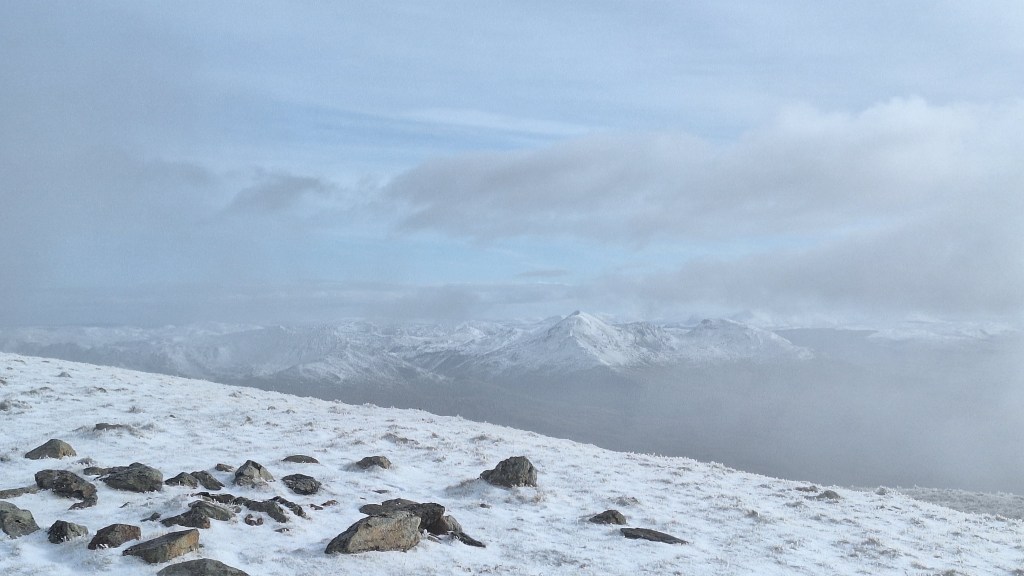
Today, I climbed a mountain with my long-suffering husband, who plans our mountain climbs very considerately. I noticed how meticulous the planning and preparation is alongside a light-hearted willingness to adjust and adapt as we go, should we need to. I have learned to trust his judgement because – to date – he has never got it wrong and we have always had amazing experiences. That underlying sense of flexibility was necessary because I wasn’t too sure I was fit enough for his plans. I didn’t want to know too much detail about the route. Knowing which mountain and which ridge first was enough. The rest of me felt settled just keeping my head down and concentrating on each step in front of me. One step leads to another, and another, which then lead to the comment that I seemed to have found my 4×4 drive – an ability to keep going steadily at a strong pace. He always comments on the ‘gears’ I have when we walk. He reckons I only have two – either too fast or too slow. But today was different. My pulling a pony through mud, morning and evening, this winter has left me fitter than we thought and I was stronger than we imagined. The scrambling was a delight and we made it before the mist on top got too thick to see snow capped ridges and the peaks of three other mountains we have walked together previously. “It’s always worth it!” he said. I concur.
This author’s webinar was about meticulous planning and structure. It was good. I am going to try and apply it to my current W.I.P. But it occured to me, much intuition goes into our creations. When I think back to the steady one-foot-in-front-of-the-other process that birthed Elin’s Air (too long) ten year’s ago it was driven by instinct – the choice of which path to take. It was new territory. Which ridge and which peak I would climb was incidental and there was constant flexibilty. The beauty of the view from each breath-taking pause along the way fuelled my love of words and spurred me on. Reaching the top would be worth it. The experience was unique to me as was the expression and story. I chose my words with care. I hadn’t planned much.

This latest W.I.P has been meticulously researched, well-planned, carefully examined and adapted and frustrated and stalled and cast aside and reimagined. I am looking for that intuition again, the beauty of path-choice, that says “This is me. I will walk in my own way and say what I want to say, carefully.” I don’t want to copy another’s style but I will learn from their footsteps.

Give me patience! It will be worth it. Words have their own way and wisdom. Let me walk with them and use them wisely.
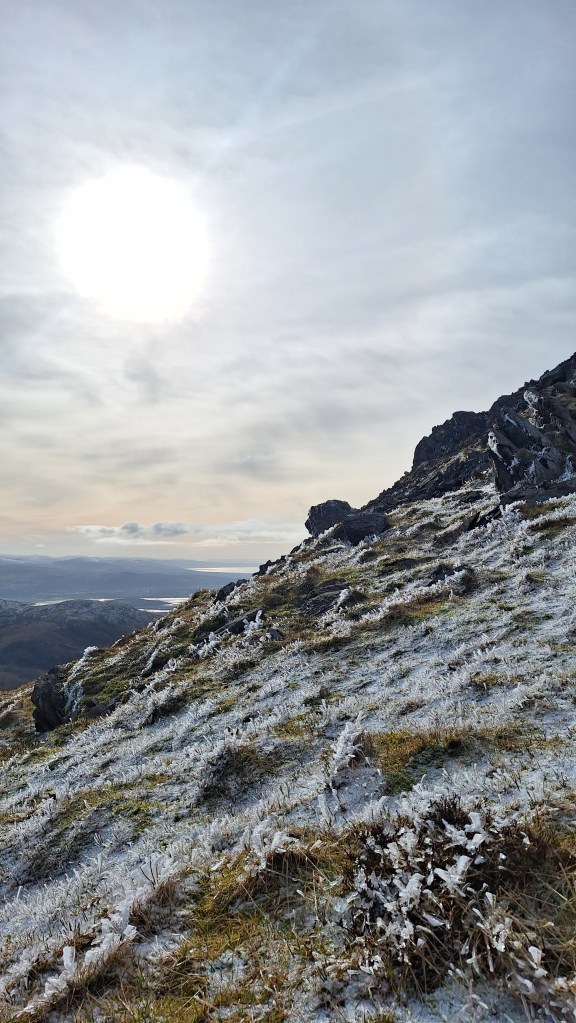
The flanks of Moel Hebog

Retreating to Advance

My life is rich with opportunity and, because of this fullness, writing has been put on the shelf to gather dust for a while. Last year, during February half-term, I went north-east to visit my brother and comb my manuscript with a second opinion – so helpful. I restructured the work and breathed new life into stale and stodgy moments of the first 23,000 words. But, no more.

On the day I left, my husband suggested my brother and I should think about running some writing retreats. I dismissed the idea. The only running my brother and I would be doing together was most probably away from responsibility to do with running anything! Still, he planted a seed.

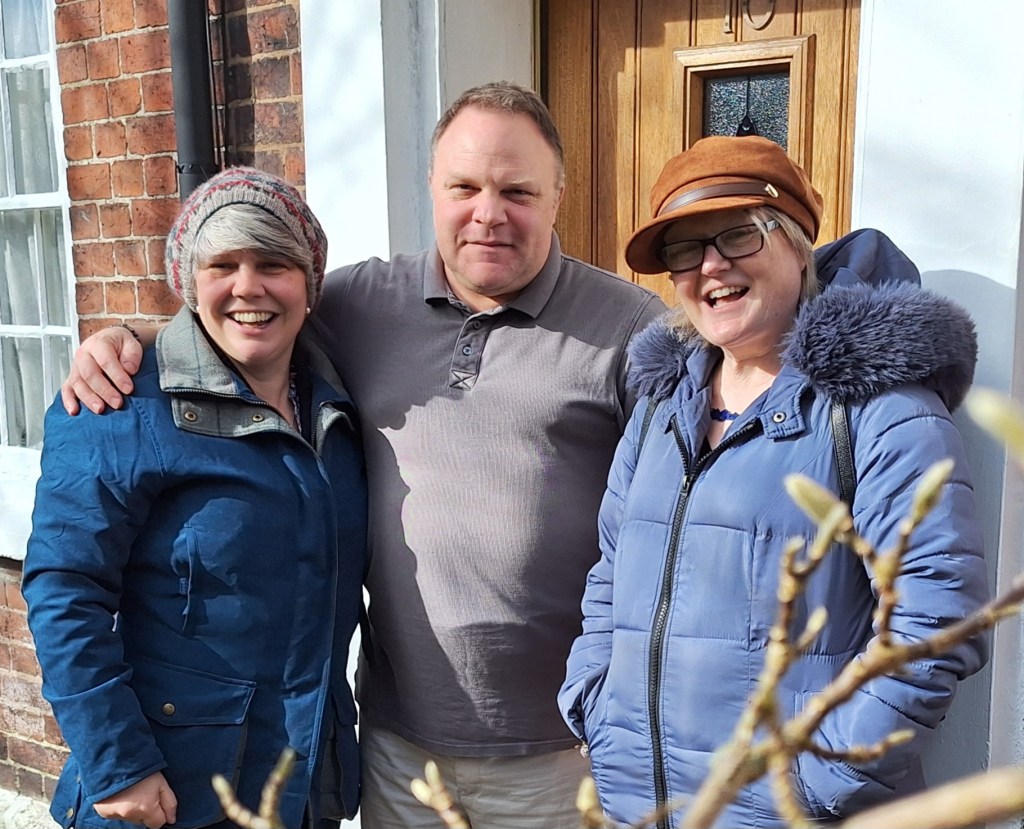
Twelve months later, this February half-term, my brother and I went away for a writing retreat together, in beautiful Leominster.

And we were not alone. We were joined by an incredible writer from South Wales who I had met on a Wye Valley Writing Retreat an number of years ago. She brought delightful inspiration and challenge to our time together.

“What do you hope to achieve over these four days?”, being her first question to us.

So, we each worked on our own projects for the majority of the day and then came together for food and an evening writing challenge, which we had to fulfill in half an hour – alarms set! On the first night, that meant writing something suggested by three random words from a book. These were: Conflict, It and Previous. On the second day, we had mosied around the numerous antique shops in Leominster, for the afternoon, and secretly chosen an object to write about. Antiques and objects were overwhelming, but with only half and hour to write, I had to make a snappy decision about which it would be and dive in. Sometimes the things you find hardest become the greatest victories. I felt that with this. On the third night, we had to write a dialogue as a play for three characters and then take a part and read it between us. Such fun! Our final challenge was to play a game of Sedecordle and include the resulting sixteen words in a piece of prose. I was the only one to get all sixteen words in, but it was a daft bit of writing!

Wisdom, inspiration, experience and expertise found their place in the beauty of sharing. Time set aside to focus, along with permission giving purpose to write made all of us fruitful. It was a time to retreat in order to advance our writing and I felt I have regained momentum again with my work, having been allowed to wallow in it for a concentrated time.

The Leominster Retreaters!

Please check out the work of Bobbie Allen: https://typewriterpress202.wixsite.com/website and Seymour Jacklin: https://www.bordersofsleep.com/ They are both wonderful writers.

I leave you with my short story, inspired by a small object found in an antique shop. The day after writing, I acquired it!

Alistair knew that the distance between the opening of the pipe and the base of the wall was the same length as his thumb. He would lie on his belly and watch the spider build its web in the pipe, when the sun shone. The wind would ruffle the threads and distort the pattern, but the spider kept working, just like his Dad. Whatever the weather, his father worked on.  

Alistair knew that it was thirty-nine steps from the gate to the stile on the pathway to school. Every day, it was the same. He would count them and when he learnt to count to a hundred his teacher commended him and brought him out before the rest of the class. He felt special. He felt clever. 

Alistair knew there were three hundred and sixty-five days in a year, apart from those leap years when February threw in an extra day. He felt sorry for Marie who was born on February 29th and never knew when to celebrate her birthday. It had just been a cosy three until Marie came along and she was never well, but he loved her all the same. Mum said he was a great help. 

Alistair counted the taps on the door that day his uncle came and everything changed. The rhythm still repeats in his head. Tap, tap … tap, TAP, tap, the emphasis falling on the penultimate tap. His uncle Thomas blew into the room calling for Helen like a banshee and she ran with him, but there was nothing that could be done. His Dad had bled his best and given his all. There was no life left in him. A rogue saw was all it took, an accidental slice. 

Alistair knew how highly everyone viewed his father’s skill. Over three hundred came to his funeral, including the squire. Uncle Thomas wrapped a corner of his coat around Marie and held her close in the cold of the pew, while Alistair held his mother’s hand. His was almost the same size as hers. 

At the wake, Uncle Thomas took him aside.  

“This is for you.” He said.  

A small leather pouch lay in his hand. 

“Thank you.” He put it in his pocket. 

The church clock struck three. Alistair listened. He counted his steps all the way home with his hand resting in his pocket, wrapped around the leather pouch. It was a little longer than his thumb. 

When he got home, Marie was crying and Mum was cuddling her.  

“Look what Uncle Thomas gave me.” He said to distract her, pulling the pouch from his pocket. 

His mother gasped. 

“That was your Father’s” she said. “His father gave it to him.” 

“What is it?” Marie asked. 

He unclipped the popper and gently pulled out a small ruler folded against itself in several segments. 

“He used it to measure every piece of work.” Mum said. 

An Official Reader

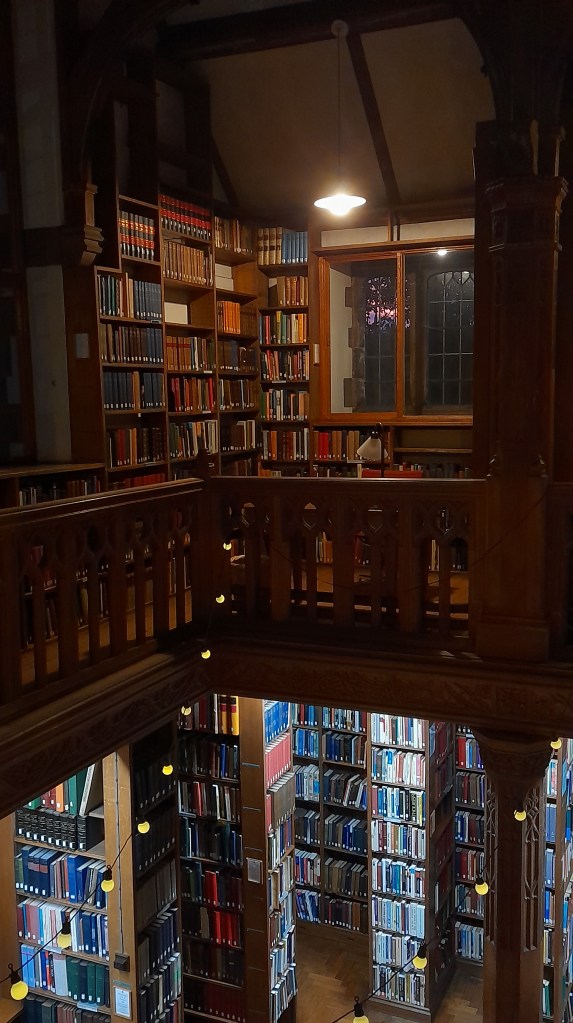
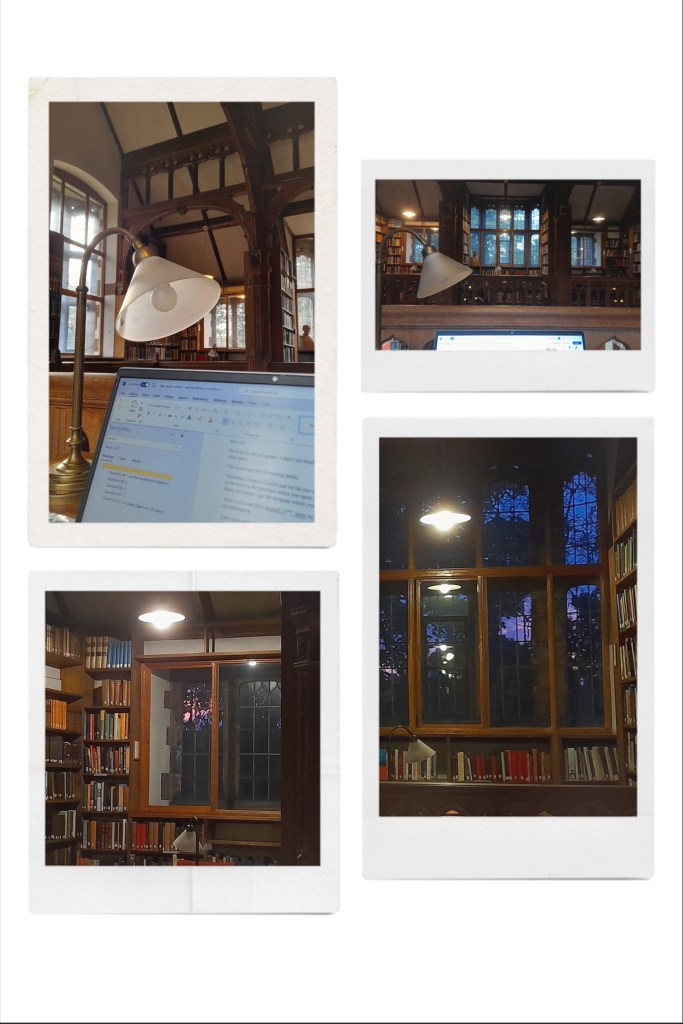
Gladstone’s Library, Hawarden

Today, I sat in the Worship section of the library and was surrounded by Hymn Books. I was reminded of researching and writing my BMus Dissertation on Welsh Hymnology. What would I say to my 20 year old self, if I were to go back and give advice?

“Don’t leave all the writing to the last minute!”

Actually, I knew that at the time, and it made no difference. Would a person coming from the future and telling me the same thing have made a difference?

I once made myself a motivational poster for my cork noticeboard. I was 12 at the time. It said, “Plan Ahe…” and I ran out of space. The “ad” got squished around the corner and looked ridiculous. How I laughed and loved this authentic expression of my greatest downfall. Planning ahead was not my strong point. My first public speaking competition was a speech on “Procrastination”. It won! I had had a lot of practise.

I like to think I have learnt since then how to manage my time better. It’s more than a thought. I know I manage my time better now than I did as a youngster. Experience has moulded me. But today, the words did not flow as fast as I would have liked. I dithered and got distracted by research. I fiddled with my headphones. I wondered if it was too early for a break and a cup of tea. I wrote my birthday list. I discussed a short piece of writing with my husband via WhatsApp. I lost my train of thought. But inbetween, I got a stack load of writing done and felt very satisfied.

It’s half term and, hip, hip, hooray, I have some days set aside for writing – whole days! Why do I feel like I have had a glorious soul cleanse? That’s the way it goes, I suppose.

…from morning light to purple dusk…

Rummaging in Research

Sat in the garden, coffee to hand, laptop open, snatches of sun sneaking through gaps in the clouds, and I can hear that familiar sound of summer: someone cutting their lawn. Ah! And here comes cake. This is a lazy, go-slow sort of holiday – just what we needed. This morning we collected daughter no. 1 from a single carriage train that dropped her off on a teeny-tiny archaic Victorian platform. It reminded me of my University days and my father collecting me from a request stop on the Tarka line. She’s been working and has come to join us for a few days. Now she sits playing Connect Four with daughter no. 2, coffee and cake beside her, while an ancient rusty tractor trundles past. Though there isn’t a lot to do around here, I am told we are booked to visit an observatory tomorrow to have a look at their big telescope. We will walk again this afternoon.

My husband plans to walk a long-distance path (135 miles) starting on Saturday. He has more time off than me and has chosen to spend it exploring the ups and downs of country lanes, fields and forest on foot. He will be crossing stunning countryside. No consideration forgotten as he plans the expedition, but I am feeling a little exhausted from listening to all the preparation talk; his need for this and need for that. It would seem that the preparation is as exciting as the walk itself. He has also been eating to gain weight so that he can take less food with him – at least that is the idea – but his habits are placing a lot of temptation on my table. I feel that all I have done this week is eat, sleep, read and rest.

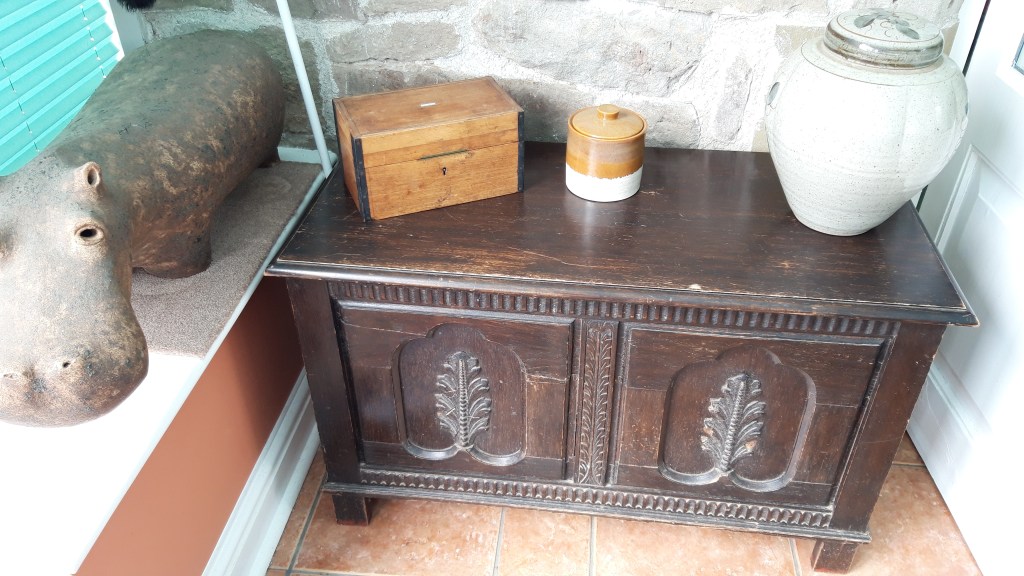
In truth, I have indulged in a favourite past-time. I have been able to do some more research for my writing and have been rummaging through the big old kist that harbours my great-grandmother’s hoards: photographs, letters, postcards, journals, invitations, newspaper cuttings, magazines, all sorts.

The kist

She started a good thing and my grandparents continued it. I am so grateful to them. It has made for a fascinating holiday. I have found two letters from Lord Louis Mountbatten in the 1960s, one inviting my grandfather to join him for a drink. Someone has stuck a ‘post it’ note to them commenting on the colour of the ink. Apparently only the Admiralty write in green ink! I have found the negative for a magazine photo of four leading political figures in the establishment of the Union of South Africa. I cannot think why we have the negative, but I also can’t help feeling it is of some significant historical interest. It would seem to be from the early 1900s. I also found a postcard, which I think is in my great-grandfather’s handwriting (not 100% sure) sent from German East Africa during the First World War and written in German. German, why German? I encountered other letters from my great-grandfather written in later life to my grandfather. My own father always spoke so highly of my great-grandfather. He adored him. I have to say that reading these letters really touched my heart. My great-grandfather does indeed come across as such a lovely, lovely man with a strong faith. There is also a pamphlet written by him about the League of Nations’ Finances. I was most intrigued to see the list of countries that continued to pay their membership fees to the League throughout the war. The name that surprised me most was Afganistan.

There are so many letters to and from a variety of people. One I particularly enjoyed was from 1935 to my great-grandmother. I have no idea who the writer is other than her name is Geraldine and she lived in England. Her letter tells the story of her young daughter bouncing into her bed and bursting a hot water bottle. The poor ‘wee lass’, as the mother writes, was very badly scalded and needed the skill of a privately employed nurse to help her get better. With all the research I have been doing of medical practise at the time, this fits. The letter goes on to complain about the servants! The writer is in quite a dilemma about how to handle them and the temper of one in particular.

My great-grandmother appears to have been very sociable and a great letter writer herself, but why did she keep some letters and not others, I wonder?

My greatest pleasure was to discover some more letters and photos from the protagonist of my story. The two sweetest things are a summer holiday diary from when he was 13 and the log of a road trip he made with his mother across Europe when he was 21. Such beautiful fuel for my fire. I love this puzzling and piecing things together to build a story.

I think the kist could produce many more stories yet, but it will take some time and dedication to sort. In the meantime, we will enjoy this ‘nothing ever happens’ holiday place and relax with the slow tempo of life. Oh! What was that? I have just heard a scrap merchant disturb the peace with a call from his vehicle for “Any old Iron?”. Well, I never! Something does happen here after all.

A New Story to Tell an Old Story

What is it that has pushed aside, yet again, the young adult novel I began all those years ago when writing was merely an idea not a habit? The novel – set in the deep Devon lanes and rolling fields which provide solace for a stressed London musician, as a family saga reveals and heals itself – has been relegated to the back shelf for the umpteenth time. Maybe it will never be done and the sole purpose of it was to act as a catalyst to encourage me to write, perhaps? What about the novel begun about a school teacher who takes a professional break to work for a charity overseas and, in an exploration of what truth is, finds corruption rife in unexpected places? Yes, that too sits gathering virtual dust.

Instead, an adventure began with the beginning of lockdown, March 2020. Lots of time to write, I thought, and then a genealogist from Australia got in contact wanting some information on my father’s family. I was reluctant to uncover my files. I get a bit addicted to research, but I did it. Unrelated to the genealogist’s query I asked some of my own questions and step by incredible step a family story surfaced introducing me to some amazing people along the way. This was a story I had never bothered about before and one I felt there had always been a sorry silence surrounding. Now I understand it better I think really the silence was unspoken grief.

Increased information on the internet coupled with lockdown gave me time and sources to research. But the best were the original sources our family archives revealed. These were things we did not know even existed. A bit of a chore to get them copied over to me from Australia, but oh so worth it! What a voyage of discovery! What a story! What beautiful characters! There’s still so much to uncover but the writing has begun.

And another beautiful thing has been who I have met of real people along the way too, people who relate to the story, or who relate to characters in the story. I could not have forged those meetings in any more unique a way. That feels like another story.

While the writing might be a solo act the gathering together of facts to make this piece of ‘faction’ (yes, it is a word) a reality is definitely collaboration. So I am excited to attend a book launch of one remarkable historian whose writing and expertise is in another league and one who has an incredible knack of unearthing forgotten facts. But our paths have crossed and, because of the revelation of this story, we meet. I will finish reading his book before then: https://www.goodreads.com/book/show/55186698-bletchley-s-secret-source

Holiday Reading

One of the lovely things about being the child of a teacher is that you get to spend school holidays together with your parents. When you are small these feel like loooong, lazy breaks. When you are older they feel far too short! I was reminiscing with my mother, over Christmas, how, as soon as the holidays started, my father (a Chemistry teacher and housemaster) would disappear into the library and sometimes be gone for hours. Then he would come home with a pile of books into which he disappeared again, on and off, throughout the holidays, and in my mother’s words, “no one  could get through to him” while he was reading.

Since moving to the city, my husband and I have enjoyed exploring lots of lovely different things to do that can be classified as ‘Date Night’ , but oddly enough, one of our favourites is a trip to the library. Apparently this library is the only one in the country to stay open until 11pm and it is a mere ten minute meander across the cobbles from what we now call ‘home’  – very convenient. It is a place designed with ‘experience’ in mind. It is well thought out with poetry on the walls, diverse styles of music that never repeat chugging in the background, ever-changing, elaborate displays in the foyer, a restaurant, comfy seats and even a theatre and cinema. It is the hub of artistic culture in the city and buzzes as such, so that even in the evening there is still much going on. It is a pleasant place to go together, husband and I, hand in hand.

I am very picky and choosy about what I want to read and it takes me a long time to make up my mind and decide what to take out. My husband always waits patiently for me. Last night he was extra patient as he wanted to explore the city clocks and find out which chimes a ring of bells every fifteen minutes. It meant positioning ourselves around the city centre at each quarter of the clock and we missed a few while perusing through the books, but he didn’t seem to mind. It is holiday time after all.

The library book options are very up to date and I think I am still a little old fashioned in my taste. But last night, I pulled a book from the shelf that I have already read and turning it over showed the blurb on the back to my husband. It is a book set in one of the schools my father taught in. The author is somehow related to Tolkein – I can’t remember how.  I read the blurb out loud and this time it really jarred me. I think it was because of the location. It jarred me to find it in my local library (but why not, it is a very good read) and to sound out the names of the two main characters who incidentally have names the same as my father.

As writers we write so much from what we know – actual fact disguised in fantasy. We have to. That’s the way it goes. We pinch a little bit of this and mix it with a little bit of that creating a fresh recipe of fiction cooked in the imagination. There is no way I resent the writer using my father’s names. I understand the process, but for some reason yesterday, it jarred. I think it was all to do with the context.

I find myself living a very different way of life, now, to how it was when I wrote Elin’s Air. I’m in a different place, literally, as well as in lifestyle. Though I knew I wouldn’t be able to write for a season I did not know how long the season would last or what it would hold. And now I begin to wonder, is it time to write again? If it is, what shall I write?

The idea for Elin’s Air was conceived in the quiet, creative time after one Christmas. Should I write a sequel; or, as someone recently asked me, an historical novel set in the context of this city we now live in; or should I revisit some old manuscripts and see if they are any good? I realise that one of my old writings, set in Devon thirty years ago, could perhaps be put into historical novel genre for the next generation!

Is there a chime of bells to tell me it is time to write again? Do I have the time? Is it time? If it is, what should the context be that I write about? Or will it jar?

Every musician knows how important it is to get the timing right.

‘Write’?

Another “4 The Love of Books”

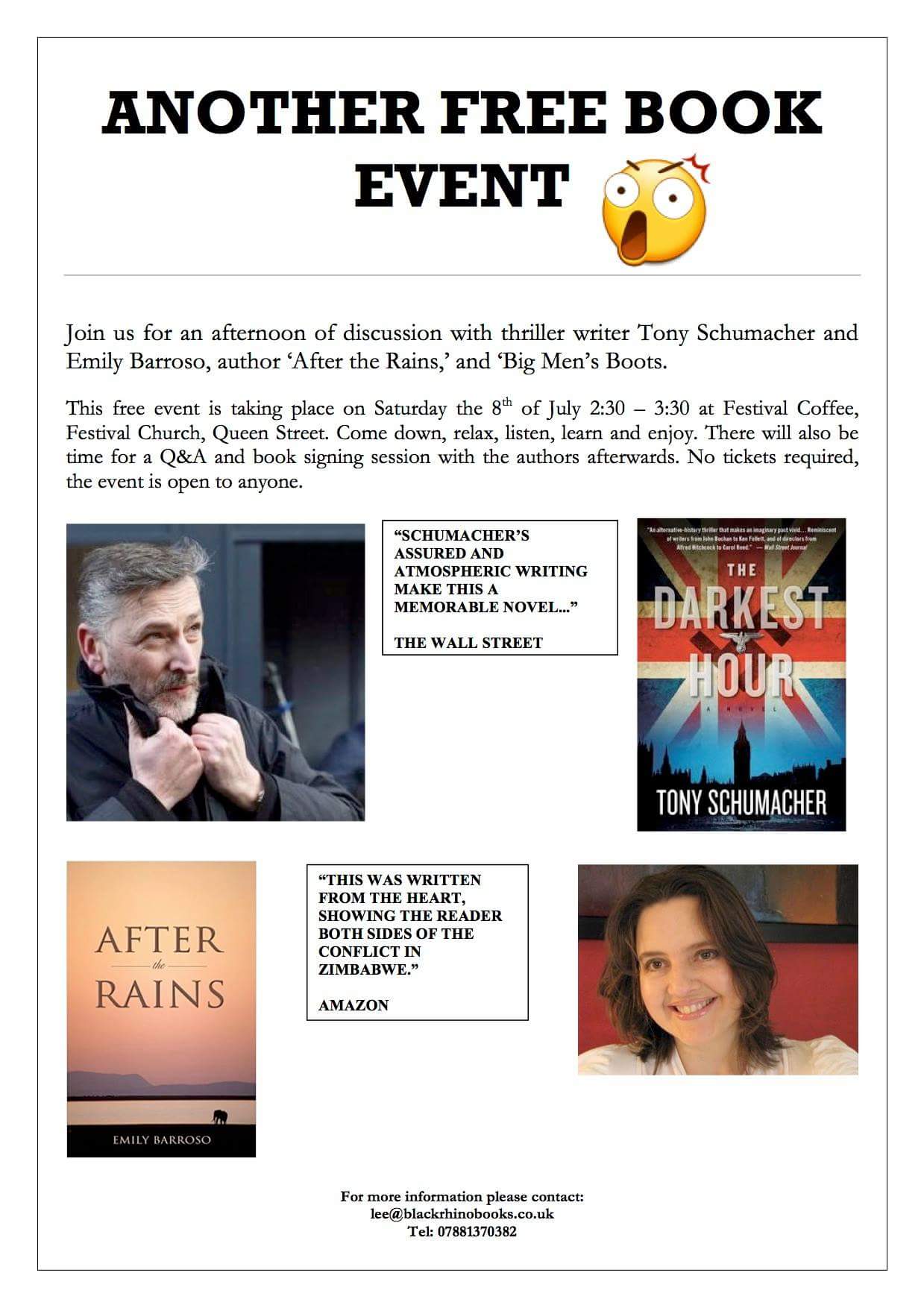
This Saturday another “4 The Love of Books” will be taking place at Festival Coffee in Chester.

19780458_1659419667420396_7093912581585308467_o

It’s a wonderful thing to learn what makes writers write. What were their influences?

These are a few of mine.

A Matter of Influence

To think that people may read what I have written leaves me feeling vulnerable. I can’t see why people would want to read what I have written. Clearly not the sharpest pencil in the pencil case, I now realise I haven’t written Elin’s Air for the reader but for pure self indulgence. I have written because I love words. I have written because I love creative expression.  I have written because I love Wales and people; and people in Wales; and God; and history. I also love children’s literature.
image

My love of children’s literature is old fashioned and sublime. I like the tales that are real, redemptive and safe (in the end) and I choose what peril I engage with carefully. I love to read something that will teach and inspire me. This must influence the way I write.

Does what we love, influence what we do? I don’t need to answer that. Instead, let me share some of the authors whose work I love.

Cynthia Harnett – her historical adventures had me entranced by her accuracy and authenticity. She wrote about ordinary people. As a child, she opened my imagination to life in another time that meant wherever I went I was switched on to wondering how things had once been. I wanted to find the places she wrote about and know everything I could about them. She was an artistic historian.

She died before we moved to Thanksgiving Lane (a beautiful address of a home filled with beautiful memories) in Binfield Heath, but it was just up the road from her cottage. Some of her illustrations are remarkably familiar.
image
The Wheatsheaf or perhaps The Bottle and Glass, Binfield Heath?

I have found a press release from the Evening Post, Saturday, October 30, 1971 that was photocopied and tucked into one of her books on my bookshelf. The reporter, Linton Mitchell, writes about her publication of The Writing on the Hearth.

“Miss Harnett knows her country and her subject which takes place in the mid-fifteenth century. In fact she never writes about anything of which she doesn’t have exact knowledge.”

She inspired me and I still have a lot to learn from her.

Patricia St John – also an author of local interest but one I only met in adult life. She lived and worked, for a time, on the stately home Estate our cottage belongs to and she captures it all in Rainbow Garden. She too died before we moved here.

Her writing is also about ordinary people with whom she expresses such depth of love and warmth of humanity that I invariably shed a tear or two. Her stories are redemptive and full of tangible faith that is believable. For me, it is a heart connection.

K.M.Peyton – she was part of my “tween” years with the Flambards trilogy. I nod to her “coming of age” influence. She also taught me to consider what life in pre-war, Edwardian Britain might have been like.

In adult years, it was to her that I first turned for advice (found on her author page) on how to manage my time and write effectively while bringing up a family.

Elizabeth George Speare – again, I only met her in adult years. I have looked to her for inspiration in style, structure and pace. Again she writes about ordinary people with sensitive depth and communicates both the resilience and frailty of humanity well. Her books are ones that have had me reading long past lights out, unable to sleep until they’re finished. They too are historical novels in settings I am unfamiliar with except for The Bronze Bow.

Elizabeth Goudge – while I have not written fantasy as she did, she is a master of allegory. She communicates her faith. The Little White Horse is colourful and alive with unforgettable imagery. The reader, immersed in a beautiful place, full of authentic scent and flavour are convinced they are there. Her work breathes and speaks to those who have ears to hear.

New Beginnings – 4 The Love Of Books

I observe that heart-swell moment of being able to leave my coat behind in the morning and step outside to the sound of a sky lark. This month has marched in like a lion and is now gently playing out, like a lamb. Fun new things are springing up. It’s a fresh season.

In Chester, at Festival Coffee on Queen Street, a new event has sprung up with its first shoots breaking the ground last Saturday (March 11th). A somewhat ‘organic’ event, 4 The Love of Books is growing around exciting writing and excellent coffee. The idea was sown by emerging children’s writer, Lee Stevenson from Little Sutton, who approached Festival Coffee asking if he could use the venue for an event that would nurture a love of books and writing. His dream, to have a time and place in Chester for authors to talk, readers to listen and conversation to follow, was sprouting.

As writers, it is so good to be able to share the fruit of our labour. It was a real privilege for me to sit alongside Lee and, seasoned crime novelist, Luca Veste on Saturday and talk. We explored and discussed our inspiration, our stories, how we dug deep into our imagination to create vivid characters and word-scapes. It was comfortable conversation with people listening from the sofas, coffee to hand, in the warmth of the afternoon sun.

The beautiful thing is that Saturday was just a start, a new beginning. Initial anxiety of ‘how will this go?’ has been ploughed back with confident assurance that it will go well and it will grow well. There is an appetite. People like to listen as much as they love to read and write. A sense of community learning from each other to love books is being tended to, in Chester, our very own backyard.

Previously, a lady had been observed noticing the poster on the door.

“Is he coming here?” she asked in surprise. “I’ve read all of his books.” Her excitement was tangible.

Who will be interviewed next, I wonder? Who will it be that we can learn from? I can’t wait!

img_20170311_194446.jpg

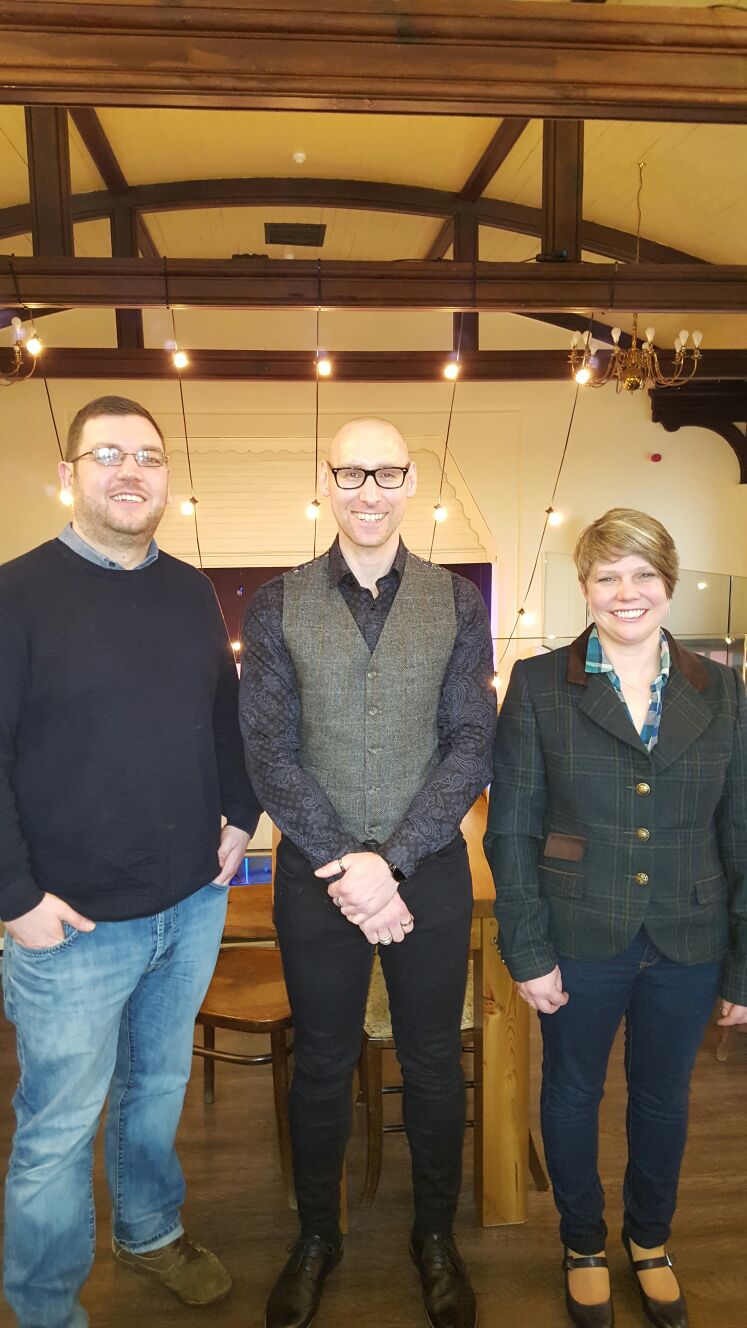
4 The Love Of Books with Luca Veste, Lee Stevenson and myself, in Festival Coffee, Chester.